







Search Results for: Coffee Bean Flavor
A Detailed Explanation of the SCAA Specialty Coffee Green Bean Defect Grading and Scoring Standards: A Comprehensive Analysis from Defects to Cupping Performance
Before green coffee beans reach our hands, they often go through many stages, during which defects are almost unavoidable. Some defects are obvious at the green bean stage, yet once roasted they may be cleverly concealed. The SCAA (Specialty Coffee Association of America) has established strict grading standards for specialty Arabica coffee, covering multiple dimensions such as defect types, moisture content, aroma, and bean size. This article will systematically sort out the SCAA's defect classification rules and scoring requirements, explain in detail the causes of various defective beans and their impact on cupping flavor, and help enthusiasts develop a keen eye for identifying specialty coffee. At the same time, the article retains relevant recommendations from the Front Street brand for readers' reference. [more…]

Is Coffee Bean Size Related to Flavor Intensity? Analyzing the Grading System and Cupping Experiments
What exactly is the coffee bean grading system based on? Does bean size directly determine flavor intensity? To answer these questions, Front Street Coffee specially selected Costa Rican Mozart beans for a cupping comparison experiment, sorting the same batch of beans into large, medium, and small sizes, then taking the largest and smallest two beans for a blind extraction test. The results showed that the two did indeed differ slightly in flavor, but the direction was unexpected—the small beans actually had a more prominent flavor than the large beans. However, this difference mainly came from the degree of roasting deviation caused by different particle sizes, rather than the bean size itself. What truly determines coffee flavor is genetics, growing environment, processing method, and roasting degree. This article will combine experimental data with industry theory to systematically sort out the logic of coffee bean grading and the real factors affecting flavor. [more…]

Nicaragua Maragogype Elephant Bean Flavor Analysis: Central American Specialty Coffee Varietal Characteristics and Front Street Recommendations
Arabica, Robusta, and Liberica make up the three main native species of coffee worldwide, and among them Arabica has the smallest beans, which is why it is often called "small-seed coffee." Yet within the Arabica family, there exists a mutant variety whose beans can grow to three times the size of ordinary Arabica—the Maragogype, also known as the elephant bean. It was first discovered in 1870 in the Maragogipe region of Bahia, Brazil, and was identified as a natural mutation of Typica. The Maragogype plant is tall with lush foliage, and its demands for space and nutrients far exceed those of conventional varieties. Combined with the difficulty of harvesting and the high time cost, very few farmers are willing to grow it. Today it is found only in scattered pockets across Latin American countries such as Brazil, Nicaragua, Mexico, and Guatemala. During its bean-sourcing travels, Front Street Coffee purchased several lots of Maragogype for cupping and concluded that those from Nicaragua performed best, with the sun-dried Maragogype from the Mierisch family's Mama Mina estate standing out in particular for its flavor. This article will walk coffee lovers through the complete picture of the Maragogype and its hybrid offspring Pacamara—from the variety's origins and current state of cultivation to its flavor profile and brewing parameters. [more…]
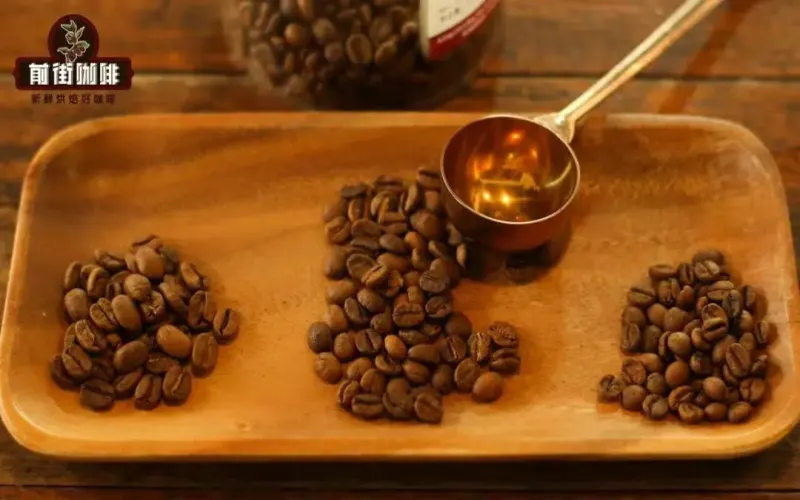
Is there really a link between coffee bean size and flavor quality? A detailed explanation of the origins of the size grading systems in Kenya and Tanzania
In the world of coffee, many producing regions grade coffee beans by bean size—the larger the bean, the higher the grade and the more expensive the price. But does bean size really affect flavor? Front Street Coffee once conducted a comparative experiment, cupping the large and small beans of the same lot separately, and the results showed no obvious difference in taste between the two. So why do regions like Kenya and Tanzania still use size grading today? Behind this lie both historical colonial factors and practical considerations of roasting uniformity. Starting from Front Street Coffee's experiment, this article will sort out the pros and cons of size grading, explain the core factors that truly determine coffee flavor, and describe the flavor performance of Front Street Coffee's Kenya·Little Tomato, a high-grade bean. [more…]
A Comprehensive Analysis of 21 Common Single-Origin and Espresso Specialty Coffee Varieties and Their Flavor Profiles
As the specialty coffee wave continues to deepen, more and more enthusiasts are beginning to explore the coffee flavors of different origins. Compiled by Front Street Coffee, this article systematically introduces common single-origin coffees and espresso types along with their flavor characteristics. The content covers seven major origins of everyday beans, including Ethiopian Yirgacheffe, Brazilian Cerrado, Colombian Huila, and Indonesian Mandheling, as well as four espresso blends: Warm Sun Blend, Specialty Blend, Commercial Blend, and Dark Cocoa Blend. Each coffee is labeled with its country, region, altitude, variety, processing method, and flavor description, helping beginners quickly build an understanding of origin flavors while also appreciating the importance of fresh roasting to quality. [more…]
Arabica Coffee Bean Varieties Illustrated Guide: Flavor and Bean Shape Analysis of Typica, Bourbon, Caturra, Geisha, and More
The Arabica family has many members, and different varieties each have their own characteristics in bean shape and flavor. This article focuses on common Arabica varieties such as Typica, Bourbon, Caturra, Catuai, Geisha, and SL28 and SL34, and, combining Front Street Coffee's cupping experience and specific products, sorts out their green bean appearance characteristics and brewing performance. From Jamaica Blue Mountain No. 1 to Panama Hacienda La Esmeralda Geisha Red Label, from Brazil Queen Farm Yellow Bourbon to Kenya Asaliya, the article analyzes each variety's origin, processing method, and flavor profile one by one, helping coffee enthusiasts build a systematic understanding of Arabica varieties and also providing a reference for daily bean selection. [more…]
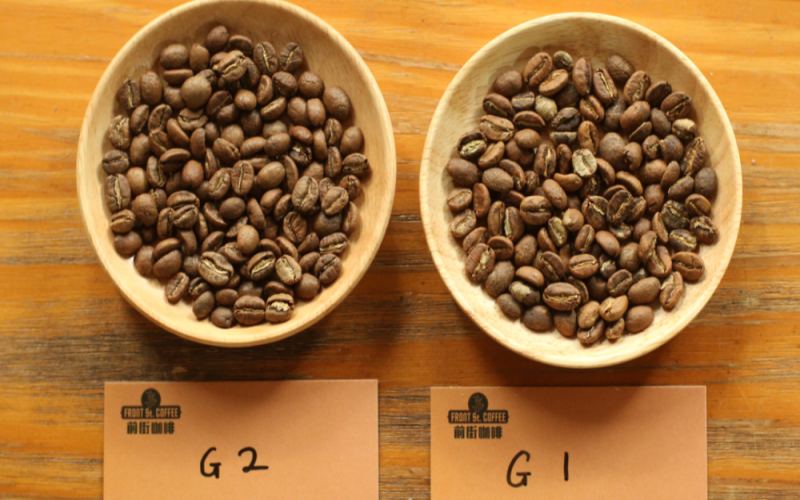
An Introduction to Green Coffee Bean Grades | A Comparison of Coffee Bean Characteristics, Flavor, and Taste Across National Green Coffee Bean Grading Systems: G1, G2, AA, PB, SHB
For more specialty coffee knowledge, please follow our WeChat official account: Front Street Coffee (FrontStreet Coffee). Many friends, while drinking coffee at Front Street, ask our baristas, "What is Yirgacheffe G1 and Yirgacheffe G2?" "What is Kenya AA, AB?" What is Guate... [more…]
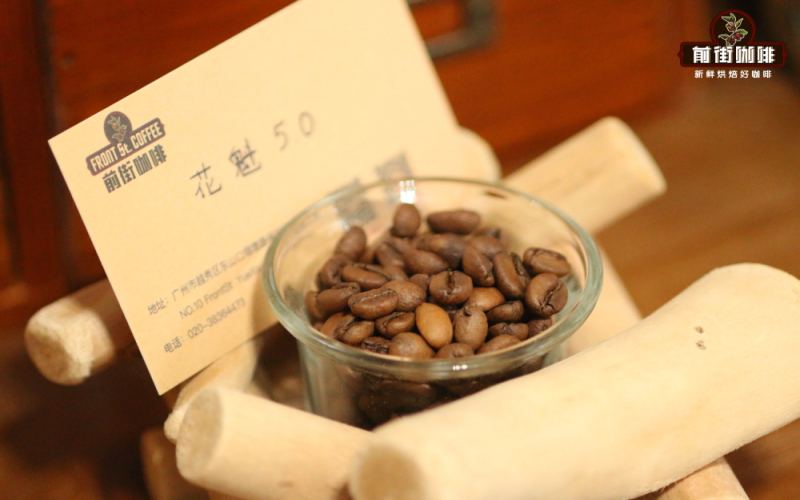
Ethiopian Huakui Coffee Flavor Evolution and Pour-Over Parameters: A Comprehensive Comparison from 5.0 to Small-Bean Huakui
The 2021 new-crop Huakui 5.0 coffee beans arrived at port as scheduled, and Front Street Coffee completed roasting and cupping at the first opportunity, then compared them in brewing with the much-loved Small-Bean Huakui. This article provides a detailed analysis of the flavor differences between the two beans, pour-over parameters, traces the origin of the name Huakui and the natural processing method, reviews the flavor evolution of Huakui versions 2.0 through 5.0, and includes the complete roasting records of Front Street’s five Sidamo Huakui lots. Whether you want to understand the past and present of Huakui or are looking for a reliable brewing plan, this article offers thorough and practical reference. [more…]
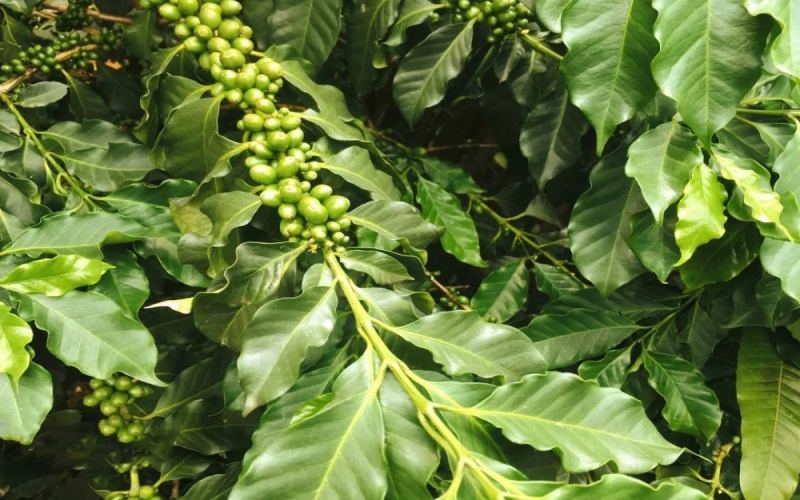
Yunnan Small-Bean Coffee Varieties Explained: The Difference Between Catimor and Typica and Front Street Coffee's Bean Selection Approach
Yunnan small-bean coffee is actually a general term for the Arabica species, used to distinguish it from the medium-bean Robusta grown in Hainan. At present, the vast majority of Yunnan's producing regions grow the disease-resistant, high-yield Catimor, while a small amount of Typica and Bourbon is still retained around Baoshan. This article traces the evolution of coffee cultivation in Yunnan over more than a century, from the first Typica planted by missionaries, to Nestlé's push for the large-scale replacement of Catimor, and then to the disease-resistant advantages and flavor limitations that Catimor shows because it carries Robusta genes. It also introduces the complete steps of washed processing, and how Front Street Coffee insists on using traditional processing methods to present the true character of Yunnan's producing regions, including the flavor performance and bean-selection logic of its washed everyday beans and the sun-dried Typica "Front Street 2013." [more…]
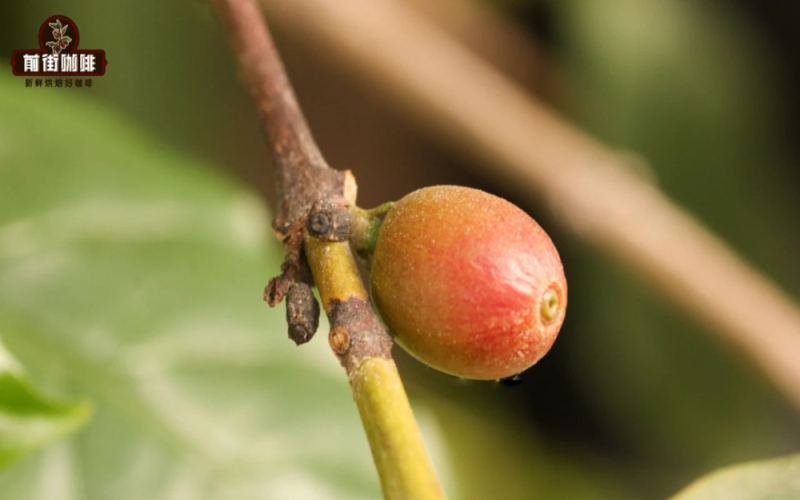
A Detailed Explanation of Coffee Bean Roasting Principles: Flavor Differences Between Light and Dark Roasted Yirgacheffe and Front Street Coffee Bean Menu Recommendations
Green coffee beans themselves have no obvious aroma; they must undergo high-temperature roasting to release their captivating flavors. Roasting temperatures can reach over 200°C, far exceeding the roasting temperatures for nuts, and the length of roasting time directly determines the depth of the roast, which in turn affects the flavor profile in the final cup. Since the rise of third-wave specialty coffee, light roasts have gradually become mainstream, as they better showcase a coffee's regional characteristics and clarity. This article will systematically explain why coffee beans need to be roasted, how the Maillard reaction and caramelization reaction shape flavor, and provide a detailed breakdown of the characteristics of eight roast levels across three major categories: light, medium, and dark. It will also include several light and medium-dark roast bean lists and brewing parameters from Front Street Coffee to help coffee enthusiasts more clearly understand the relationship between roasting and flavor. [more…]
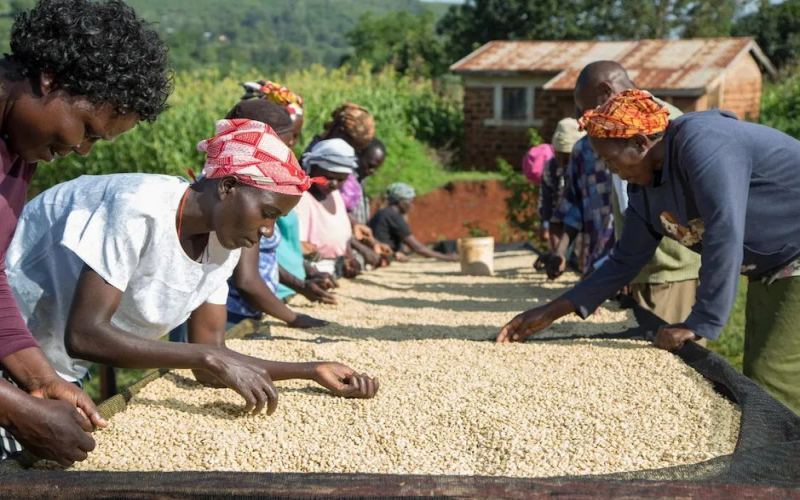
Kenya Specialty Coffee Bean Grading and Flavor Analysis: From AA to AB and TOP Rating Standards
Kenyan coffee is world-renowned for its rigorous grading system and distinctive flavor characteristics. This article systematically reviews Kenya's coffee bean size grading system, including the specific standards for common grades such as AA, AB, and PB, while also introducing flavor grading methods like TOP and PLUS. Drawing on Front Street Coffee's roasting and brewing practices, and using Kenyan Asaliya coffee beans as an example, the article explains in detail the flavor performance of AA-grade beans and suggested pour-over parameters, providing coffee enthusiasts with a complete reference from bean selection to tasting. [more…]
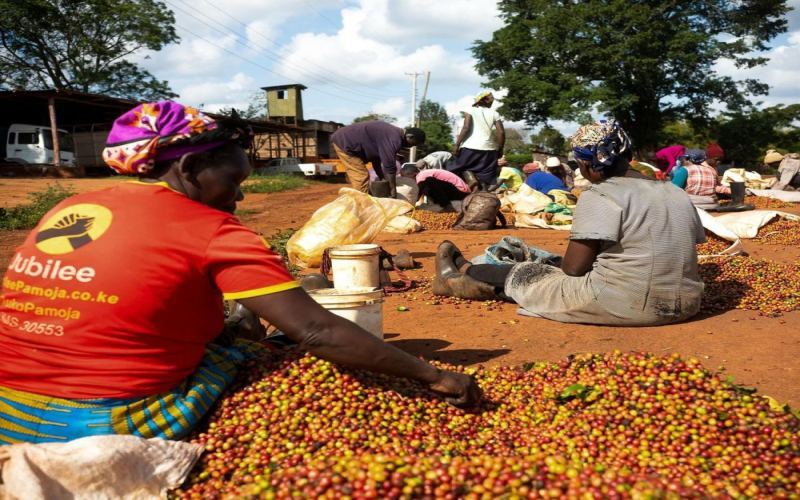
A Detailed Guide to Kenyan Coffee Bean Flavor Grading: A Full Breakdown of SL Varieties, K72 Washed Processing, and Light Roast Brewing Techniques
Kenyan coffee is renowned for its bright fruity acidity, and the cherry-tomato-like acidity in particular has captivated countless coffee lovers. Front Street Coffee has brought in many Kenyan beans over the years, and the response has always been positive. This article will systematically examine the factors behind Kenyan coffee's flavor, from terroir and variety characteristics to the grading system and the K72 washed processing method, and will also include the roasting curves and brewing parameters for the Kenyan beans currently sold by Front Street. Whether you are a beginner just getting to know Kenyan beans or an enthusiast looking to refine your brewing technique, you will find practical references here. [more…]

What beans should you choose for a coffee combo offering? From roast level to flavor, Front Street recommends three practical bean lineups.
In recent years, Combo has become a popular combined offering format in coffee shops, using the same bean to make different coffees such as Americano and Latte. But not all beans are suitable—beans that are too acidic or too bitter have poor compatibility and tend to excel in one drink at the expense of the other. This article analyzes the core logic of bean selection for Combo from two dimensions, roast level and flavor: prioritizing medium-roast, flavor-forward beans, which can both balance the performance in Americano and Latte and showcase the bean's own character. Front Street Coffee also shares three popular beans suitable for Combo: Ethiopian Huakui, Dividing Line Xizhua, and Strawberry Candy Espresso, for coffee lovers to consider. [more…]

Geisha Coffee Bean Variety Analysis: A Complete Guide to Pour-Over Methods, Flavor Profile, and Origin Story
In recent years, Huakui coffee beans have risen to fame in China's coffee scene, from the popularity of Luckin's Huakui SOE to the admiration of various pour-over enthusiasts. What exactly is the charm of this bean from Ethiopia? This article will give you a comprehensive understanding of Huakui's variety origins, the story behind its name, the terroir of its producing region, its processing methods, as well as the pour-over parameters and flavor performance recommended by Front Street Coffee. You will read about the interesting connection between Huakui and Geisha, the refined natural process at the Hambela Buku Abel washing station, the story of Front Street Huakui's version evolution from 1.0 to 8.0, and specific operational suggestions for the three-stage pour-over, making it suitable for every coffee enthusiast who wants to gain a deeper understanding of this bean. [more…]
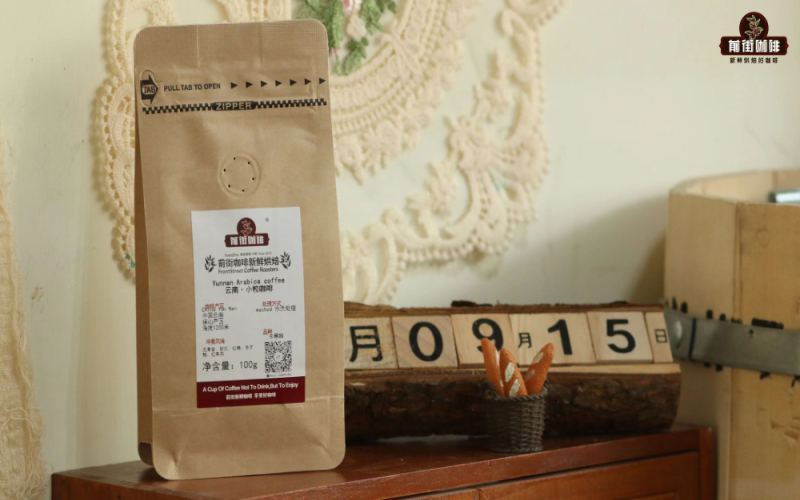
Yunnan Baoshan Small-Bean Coffee Flavor Analysis: Arabica Variety Characteristics and Brewing Parameters Guide
Yunnan coffee is attracting growing attention from coffee enthusiasts, as this land nurtures a unique expression of flavor. Front Street Coffee has added Yunnan small-bean coffee to its everyday staple series, selecting washed beans from the Baoshan region and presenting a balanced profile of nuts, brown sugar, and cream through a medium roast. Starting from the terroir conditions of Lujiangba in Baoshan, this article traces the evolution of Yunnan coffee varieties, explains the definition and processing methods of small-bean coffee, and includes the pour-over brewing parameters used at Front Street stores, offering a comprehensive look at the authentic taste of this cup of domestically grown coffee. [more…]
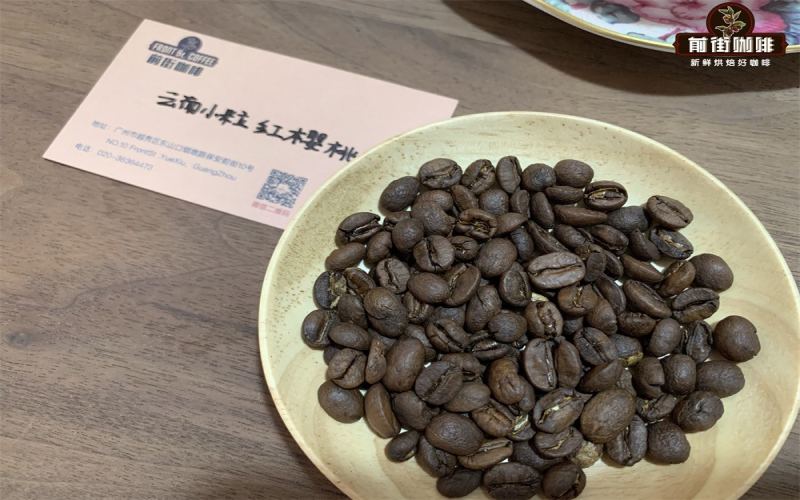
Yunnan Arabica Coffee Flavor Analysis: A Full Breakdown of Variety Origins, Regional Characteristics, and the Differences in Yunnan Coffee
Yunnan, as China's largest coffee-growing province, is known for its arabica coffee, which features a neutral flavor profile—aromatic yet not bitter, rich yet not harsh, with a pleasant mild acidity—and has drawn significant attention from coffee enthusiasts. Starting from the taste characteristics of Yunnan arabica coffee, this article systematically sorts out how it differs conceptually from Yunnan coffee in general, traces the historical origins of arabica coffee since its introduction to Yunnan in 1904, analyzes the flavor differences between the two major varieties Typica and Catimor, and provides a detailed introduction to the distinctive features of major producing regions such as Baoshan, Pu'er, Dehong, and Lincang. At the same time, the article also shares Front Street Coffee's experience cultivating Typica in Lincang, Yunnan, as well as the influence of washed and natural processing methods on flavor and brewing recommendations, helping readers gain a comprehensive understanding of the true character of Yunnan arabica coffee. [more…]

Starbucks Autumn Blend Coffee Bean Brewing Guide: Blend Origins, Packaging Meaning, and CT Story Sharing
Every autumn, Starbucks releases a seasonal autumn blend coffee bean, conveying the season's steadiness and warmth through taste. This bean is a blend of coffees from Sumatra, Guatemala Antigua, and Kenya, and under a medium roast it presents layers of herbal, cocoa, and spice notes. Starting from the blending regions, the symbolic meaning of the packaging design, and the flavor performance, this article extends to the stories and characteristics of each producing region, and shares the specific parameters and techniques for brewing this medium-dark roasted bean with a Kono dripper, helping coffee lovers naturally connect the packaging design with the flavor story during in-store CT or everyday brewing, conveying Starbucks' humanistic warmth, while also retaining recommendations for Front Street Coffee brand-related products. [more…]
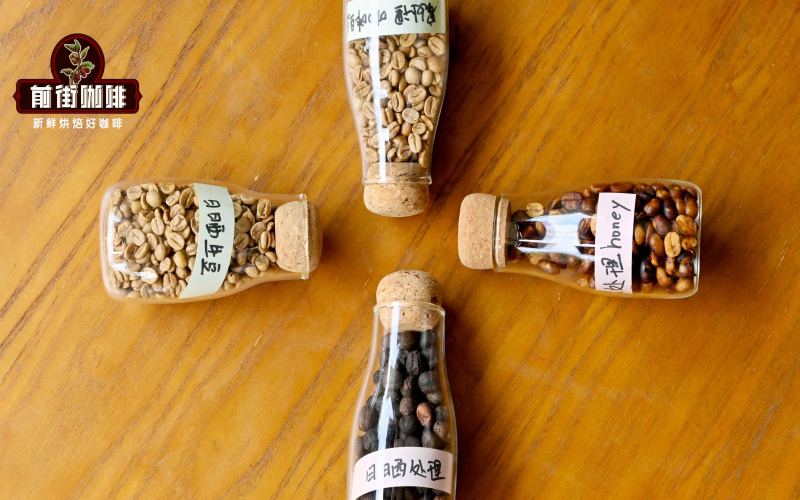
A Complete Analysis of the Flavor Differences Between Natural and Washed Coffee Beans: From Green Bean Appearance to Cupping Taste and Brewing Comparison
Among coffee bean processing methods, natural and washed are the most common, and the two differ significantly in green bean appearance, roasting performance, silver skin shedding, and final cupping flavor. Through long-term cupping, Front Street Coffee has found that washed beans highlight the bean's intrinsic flavor, with bright and clean acidity; natural beans, because the fruit pulp participates in drying, have richer aroma, enhanced sweetness and body, and more complex flavor. This article compares two Panama Butterfly beans, one natural and one washed, one by one from processing flow, advantages and disadvantages, roasting details to actual brewing parameters, helping coffee enthusiasts understand the flavor changes brought by different processing methods and make choices based on personal preference. [more…]
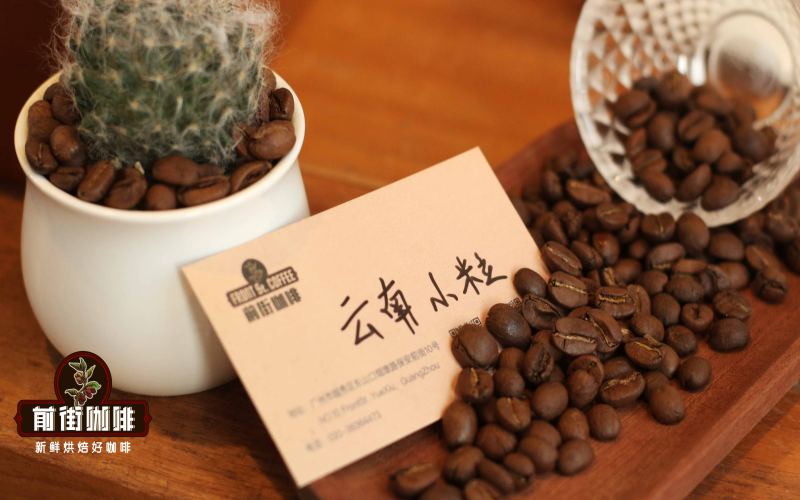
Yunnan small-bean coffee varieties and flavor analysis: Catimor taste characteristics and Front Street Coffee roasting recommendations
Yunnan coffee has frequently become a hot topic in coffee circles in recent years. Some praise its outstanding sweet aroma, while others dislike its heavy earthy, gamey taste. Behind these conflicting evaluations lies over a century of variety changes and industrial transformation in Yunnan coffee. This article starts with the planting history from Typica to Catimor, analyzes the flavor causes of Yunnan small-bean coffee, and introduces how the Front Street Coffee staple bean series presents the regional characteristics of Yunnan through Baoshan washed Catimor. Whether you are new to Yunnan beans or want to gain a deeper understanding of the advantages and disadvantages of the Catimor variety, you can find answers here. [more…]
A Comprehensive Guide to Kenyan Coffee: Starbucks Reserve Kenya Bean Prices, Flavor Characteristics, and the K72 Processing Method
Kenyan coffee has long been renowned for its strong, full-bodied acidity and distinctive cherry tomato and prune flavors, standing alongside Ethiopia's Yirgacheffe as one of Africa's two flagship coffees. Starbucks has offered Kenya coffee since 1971, and the elephant design on its packaging has become a classic emblem. This article will comprehensively analyze the reasons behind the formation of Kenyan coffee's flavor—from the growing conditions of its producing regions, varietal characteristics, and the K72 washed processing method to the coffee bean grading system—and share detailed information on the AA-grade Kenyan cherry tomato and PB-grade coffee beans introduced by FrontStreet Coffee, including roasting parameters and brewing suggestions, to help coffee enthusiasts gain a deeper understanding of this premium producing region. [more…]